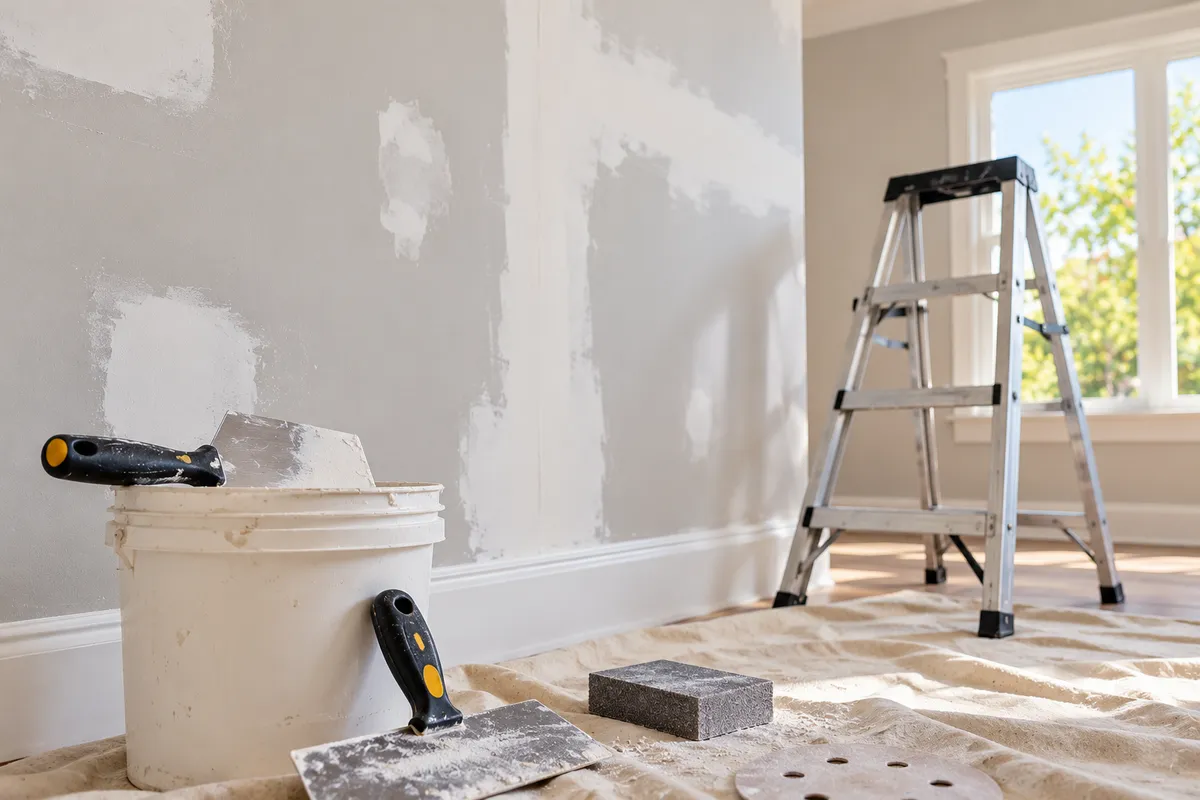
Drywall Repair Before Painting in Severna Park, MD: How to Get a Smooth Finish
A fresh coat of paint can make a room feel cleaner and more inviting, but the final result depends on the condition of the walls beneath it. Cracks, dents, nail holes, and damaged drywall can remain visible after painting if the surface is not properly prepared.
For homeowners in Severna Park, Maryland, repairing wall imperfections before painting is an important step toward achieving a smooth, consistent appearance. Whether you are refreshing one room or updating several areas of your home, understanding the drywall repair process can help you plan your painting project.
JW Painting offers painting-related services, including drywall repair and installation. Knowing which wall problems need attention before painting can help you prepare your home for its next update.
1. Identify Common Drywall Problems Before Painting
Before starting an interior painting project, inspect the walls and ceilings for damage. Even small imperfections can become more noticeable under natural light or certain paint finishes.
Nail Holes and Small Dents
Picture hangers, nails, screws, and everyday household activity can leave small holes and dents in drywall. Although these marks may seem minor, they can stand out after a new coat of paint is applied.
Filling and smoothing these areas before painting helps create a more uniform surface.
Cracks Along Walls and Ceilings
Hairline cracks sometimes appear near corners, doors, windows, and drywall joints. Some are cosmetic, while others may be associated with movement or an underlying issue.
Before repairing a crack, consider its size, location, and whether it has returned after previous repairs. Persistent or widening cracks may need further evaluation before painting begins.
Peeling or Damaged Drywall Paper
Removing adhesive hooks, wallpaper, or other wall coverings can tear the paper facing on drywall. Painting directly over exposed or damaged paper may create an uneven finish.
These areas often need appropriate preparation and repair materials before primer and paint can be applied.
Larger Holes and Impact Damage
Furniture, doorknobs, and accidental impacts can create larger holes in drywall. The appropriate repair method depends on the size of the opening and the condition of the surrounding material.
Small holes may require patching compound, while larger openings may need a drywall patch or replacement section.
2. Understand Why Drywall Preparation Matters
Paint does not hide every wall imperfection. In some cases, a new finish can make surface defects more noticeable, particularly when light shines across the wall at an angle.
Proper drywall preparation addresses these issues before the final coating is applied.
A typical preparation process may include:
Removing loose or damaged material.
Filling holes and cracks with suitable repair products.
Applying drywall tape or reinforcement where necessary.
Sanding repaired areas to blend them with the surrounding wall.
Removing dust before priming.
Inspecting the surface for visible imperfections before painting.
The exact process depends on the type and severity of the damage. Taking care of these steps beforehand can help reduce visible patches, ridges, and uneven textures.
3. Determine Whether Your Walls Need Patching or Replacement
Not every drywall problem requires extensive repairs. Choosing the appropriate method depends on the size of the damaged area, the condition of the material, and the cause of the problem.
Minor Surface Damage
Small nail holes, shallow dents, and minor imperfections can often be repaired with suitable patching or joint-compound products.
Once the repair material has dried, the area can be sanded and prepared for primer and paint.
Moderate Holes and Cracks
Larger holes may require a patching system, while cracks may need additional preparation or reinforcement.
It is important to understand why a crack developed. If movement or another underlying issue remains unresolved, the damage may return after the wall is repaired and painted.
Extensive or Moisture-Related Damage
Widespread deterioration, damaged drywall sections, and recurring cracks may require a more comprehensive assessment.
If drywall shows signs of moisture damage, identify and address the moisture source before proceeding with repairs and painting. Painting over damp or deteriorating material is unlikely to provide a lasting solution.
A professional assessment can help determine whether localized patching or drywall replacement is more appropriate.
4. Prepare Repaired Walls for Primer and Paint
After drywall repairs are complete, the surface must be prepared for the next stage of the painting project.
Allow Repair Materials to Dry
Joint compound and other repair materials need sufficient drying time before sanding or coating. Follow the manufacturer's instructions and consider the conditions inside the home.
Rushing this step can contribute to surface imperfections or problems with the finished coating.
Sand the Surface Smooth
Sanding helps blend repaired areas with the surrounding wall. The goal is to eliminate raised edges, ridges, and noticeable transitions between the patch and the original surface.
This step is particularly important in rooms with large windows or lighting that highlights wall imperfections.
Remove Dust Before Painting
Drywall dust can interfere with surface preparation and affect the finished appearance. Remove dust using an appropriate cleaning method before applying primer.
Protect nearby flooring, furniture, and fixtures during the preparation process to keep the work area clean.
Apply Primer Where Needed
Repaired drywall and joint compound may absorb paint differently from the surrounding wall. A suitable primer can help create a more consistent foundation for the finish coat.
The appropriate primer depends on the repair materials, the existing wall condition, and the paint manufacturer's recommendations.
5. Consider Lighting and Paint Finish
The appearance of a repaired wall can change depending on the room's lighting and the paint finish you select.
Natural light entering through large windows may reveal uneven areas, while ceiling lights and wall sconces can cast shadows across the surface. Paint finishes with greater sheen may also make certain imperfections more noticeable.
Before painting an entire room, consider how the walls look under both natural and artificial light.
If the walls have significant damage or are exposed to strong side lighting, additional attention to smoothing and surface inspection may be worthwhile. Choosing the right paint finish can help achieve the desired appearance, but it does not replace proper drywall preparation.
6. Avoid Common Drywall Repair Mistakes
Several preparation mistakes can affect the appearance of newly painted walls.
Painting before repairs are dry: Repair materials that have not dried adequately can contribute to surface or coating problems.
Skipping sanding: Raised patches and rough edges may remain visible after painting.
Ignoring recurring cracks: Filling a crack without investigating the cause may result in another repair later.
Leaving dust behind: Residual dust can interfere with preparation and affect the final surface.
Skipping primer where needed: Unprimed patches may absorb paint differently and create visible variations.
Using paint to conceal damage: Paint is a finish, not a substitute for repairing holes, cracks, or deteriorated drywall.
Addressing these issues before painting can help create a more consistent result and reduce the need for corrective work.
7. When to Hire a Professional for Drywall Repair
Some minor wall repairs are manageable as do-it-yourself projects. However, larger holes, extensive damage, recurring cracks, or repairs across multiple rooms can require additional time, materials, and experience.
Professional assistance may be helpful when you want repaired areas to blend with the existing wall texture or when drywall repairs are part of a larger interior painting project.
A painting contractor can assess the surface, identify preparation requirements, and coordinate repairs with the painting process. This helps ensure the walls are ready before the new finish is applied.
For homeowners in Severna Park, MD, evaluating drywall condition before scheduling interior painting can help clarify the project's scope and the preparation required.
Get Your Walls Ready for Painting in Severna Park, MD
A successful painting project begins with a properly prepared surface. Filling holes, repairing cracks, smoothing damaged areas, and applying appropriate primer can make a meaningful difference in the finished appearance of your walls.
If your home has damaged drywall or visible imperfections that need attention before painting, JW Painting can help you explore suitable repair and painting options.
Planning an interior painting project? Contact JW Painting to discuss your drywall repair needs in Severna Park, MD, and prepare your walls for a fresh finish.
