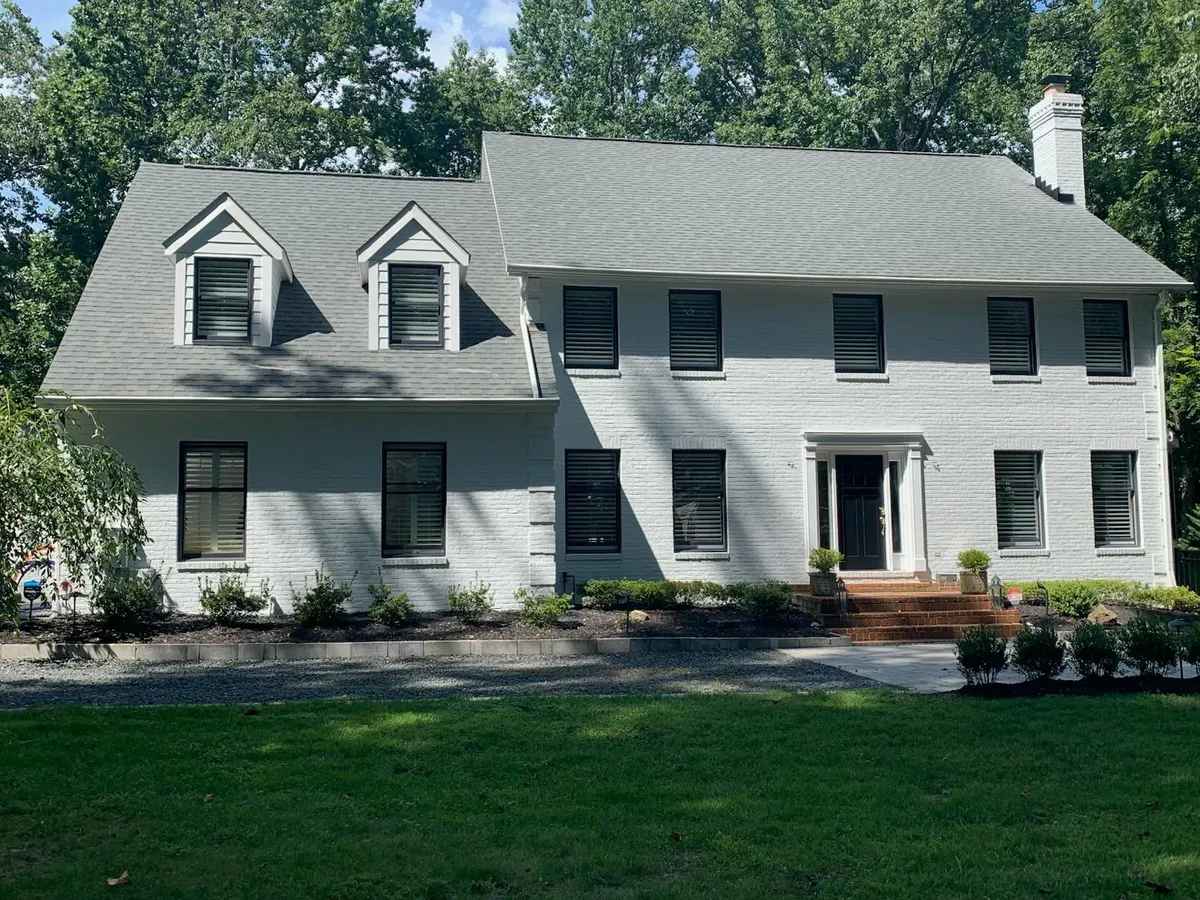
How to Prepare Your Annapolis, MD Home for Exterior Painting
A fresh coat of exterior paint can improve your home's appearance and help protect suitable exterior surfaces from everyday exposure to the elements. However, a successful painting project involves more than choosing a color and applying paint. Proper preparation is essential for achieving an even finish and helping the new coating adhere as intended.
For homeowners planning exterior painting in Annapolis, MD, preparation is particularly important because local conditions can expose painted surfaces to humidity, rainfall, temperature changes, and moisture from the surrounding environment.
Whether you're refreshing faded siding, updating exterior trim, or repainting your entire home, understanding the preparation process can help you plan the project more effectively.
JW Painting Co. provides residential and commercial painting services, including exterior painting, interior painting, cabinet painting, drywall services, deck and fence painting, and power washing. Here's what homeowners should know before starting an exterior painting project.
1. Inspect Your Home's Exterior Before Painting
Before selecting paint or scheduling the work, take time to evaluate the condition of your home's exterior.
Different materials deteriorate in different ways, and existing problems should be addressed before new paint is applied. Painting over damaged or unstable surfaces may lead to poor adhesion, uneven coverage, or premature peeling.
Walk around the property and look for:
Peeling, blistering, or flaking paint.
Cracked or deteriorating caulk around windows and doors.
Soft, damaged, or rotting wood.
Loose siding or trim.
Rust stains or exposed metal.
Water stains and areas that remain damp.
Previously repaired areas that may need additional preparation.
Pay particular attention to areas exposed to frequent rain, direct sunlight, or moisture from landscaping.
If you discover significant wood damage, recurring water intrusion, or deteriorating building materials, address the underlying problem before proceeding with painting.
An exterior inspection helps establish the project's scope and identifies repairs that may affect the final result.
2. Clean Exterior Surfaces Thoroughly
Exterior surfaces accumulate dirt, pollen, mildew, cobwebs, and other debris over time. These contaminants can interfere with paint adhesion if they are not properly removed.
Cleaning is therefore an important part of exterior painting preparation.
Depending on the material and its condition, cleaning may involve gentle washing, brushing, or an appropriately controlled pressure-washing process.
The correct method depends on the surface. High pressure can damage wood, force water behind siding, or harm delicate finishes, so not every exterior material should be cleaned the same way.
Before painting, consider the following:
Remove loose dirt and debris.
Clean areas affected by mildew using an appropriate method.
Protect nearby landscaping and outdoor furnishings.
Avoid forcing water into gaps, vents, or vulnerable building components.
Allow surfaces to dry sufficiently before applying primer or paint.
Follow the cleaning and drying requirements for the selected coating.
Moisture management is especially important in coastal and humid environments. Painting damp surfaces can interfere with adhesion and may contribute to coating failure.
Professional preparation can help ensure that the cleaning process suits the home's materials and the condition of the existing finish.
3. Repair Peeling Paint, Damaged Wood, and Surface Imperfections
Cleaning alone will not resolve every exterior problem. Areas with loose paint, damaged trim, or deteriorated materials need appropriate attention before repainting.
Loose paint should be removed using suitable methods, and the underlying surface should be evaluated to determine whether further repairs are needed.
Common preparation tasks may include:
Scraping loose or failing paint.
Sanding appropriate surfaces to smooth transitions.
Filling minor surface imperfections with suitable materials.
Replacing or repairing damaged wood where necessary.
Securing loose trim or siding.
Addressing failed caulk at appropriate joints.
Repairs should be completed with materials suitable for the specific surface and exposure conditions.
For example, a small surface defect may require a different solution from wood that has deteriorated because of prolonged moisture exposure. Simply covering damaged material with fresh paint does not resolve the underlying problem.
If an older home has multiple layers of deteriorating paint, additional precautions may be necessary. Homes built before 1978 may contain lead-based paint, so testing and appropriate lead-safe work practices should be considered before disturbing existing coatings.
Proper repairs create a more stable surface and help the finished paintwork look consistent.
4. Pay Attention to Caulking and Exterior Seams
Caulk helps seal appropriate gaps around exterior trim, windows, doors, and other joints. Over time, exposure to weather and movement in building materials can cause caulk to crack, shrink, or separate.
Inspect these areas before painting and determine where existing caulk needs to be removed and replaced.
Effective preparation involves more than applying a new bead over old material. The joint should be suitable for the selected product, and the surfaces must be prepared according to the manufacturer's instructions.
When evaluating exterior seams, consider:
Whether the existing caulk remains flexible and firmly attached.
Whether gaps have developed between trim and adjacent materials.
Whether moisture has damaged the surrounding wood or substrate.
Whether the joint requires a paintable exterior-grade sealant.
Whether the selected caulk is compatible with the materials being joined.
Not every exterior gap should be sealed. Some building components require specific drainage or ventilation openings, so avoid blocking designed openings or drainage paths.
Addressing appropriate caulking repairs before painting can improve the finished appearance and help reduce unwanted water entry at vulnerable joints.
5. Choose Exterior Paint for Your Home's Materials and Exposure
The best exterior paint depends on the surface being painted, the condition of the existing coating, and the property's exposure to weather.
Siding, wood trim, masonry, and metal components may require different preparation methods, primers, or coatings.
When comparing products, consider:
Compatibility with the existing paint and substrate.
Resistance to the expected weather exposure.
Recommended application temperatures and conditions.
Drying and recoating times.
Maintenance requirements.
Manufacturer recommendations for the intended surface.
Color selection also deserves attention. The same color can appear different depending on natural light, surrounding landscaping, and nearby exterior materials.
Before committing to a color, test samples on representative areas of the home and review them at different times of day.
If your property includes several exterior materials, coordinate the colors and finishes so the overall design feels cohesive.
A professional painter can help you evaluate suitable products and determine which preparation and coating system is appropriate for your home.
6. Plan Around Annapolis Weather Conditions
Weather plays an important role in exterior painting. Even when the forecast appears favorable, temperature, humidity, surface moisture, and the possibility of rain can affect application and drying.
In Annapolis and surrounding communities, changing weather conditions can make scheduling an exterior painting project particularly important.
Before work begins, consider the following:
Temperature: Paint products have recommended application temperature ranges that should be followed.
Humidity: High humidity can affect drying and curing times.
Rain: Newly applied paint may need protection from rain for a specified period.
Surface moisture: Siding, trim, and other surfaces must meet the coating manufacturer's moisture requirements.
Direct sunlight: Hot surfaces and intense sunlight may affect how paint spreads and dries.
Wind: Wind can carry dust and debris onto wet paint and affect application conditions.
The best painting window depends on the specific product and the conditions at the property. A day that looks suitable from the weather forecast may not be appropriate for every surface or coating.
Allowing sufficient time for preparation and monitoring conditions helps reduce the likelihood of weather-related application problems.
7. Protect Landscaping, Walkways, and Outdoor Features
Preparing the surrounding property helps protect your landscaping and keeps the work area organized.
Before painting begins, move or cover outdoor furniture, planters, grills, decorations, and other items that could be affected by dust, cleaning water, or paint splatter.
You should also identify nearby features that require protection, such as:
Shrubs and garden beds.
Walkways and patios.
Decks and railings.
Outdoor lighting and fixtures.
Windows and doors.
Driveways and other finished surfaces.
Landscaping near the home's exterior may need temporary protection or careful access planning. However, avoid wrapping plants so tightly or for so long that ventilation is restricted.
If power washing is part of the preparation, take additional care to prevent debris and water from reaching sensitive areas.
Good site preparation helps maintain a cleaner work environment and reduces the chance of accidental damage to nearby features.
8. Understand What a Professional Exterior Painting Project Includes
Exterior painting projects can vary significantly depending on the home's size, surface materials, existing paint condition, and repair requirements.
Before hiring a contractor, ask what preparation work is included in the proposed scope.
A clear proposal should explain which surfaces will be painted, how they will be prepared, what products will be used, and which repairs are included or excluded.
Useful questions include:
Will loose paint be removed before repainting?
Is exterior cleaning included?
Which repairs and caulking tasks are included?
Will primer be applied where needed?
Which paint products and finishes are proposed?
How will landscaping and outdoor surfaces be protected?
What weather conditions could affect scheduling?
How will additional repairs be handled if unexpected damage is discovered?
Understanding these details helps you compare proposals more effectively than looking at price alone.
It also gives you a clearer picture of how the contractor intends to prepare the surfaces and manage the project.
Refresh Your Home With Exterior Painting in Annapolis, MD
Preparing your home's exterior before painting can make a meaningful difference in the appearance and performance of the finished coating. Inspecting surfaces, cleaning properly, repairing damaged materials, addressing appropriate caulking, and choosing suitable paint are all important parts of the process.
Homeowners should also account for local weather conditions and protect surrounding landscaping before work begins.
JW Painting Co. provides exterior painting and other painting services for residential and commercial properties. If your home's exterior looks faded, peeling, or outdated, a professional assessment can help you determine the preparation and painting work it needs.
Ready to plan your exterior painting project? Visit JW Painting Co. to learn more about its painting services and discuss your home's needs.
